Dr. Fariborz Farnad, DMD

Diplomate, American Board of Oral and Maxillofacial Surgery

TMJ Disorders & Reconstruction

Relieve Jaw Pain. Restore Function. Reclaim Your Comfort.


TMJ disorders can affect the joints and muscles responsible for jaw movement, causing pain, clicking, stiffness, difficulty chewing, and other uncomfortable symptoms. Our Los Angeles oral and maxillofacial surgeons carefully evaluate your jaw joints, bite, and facial anatomy to identify the underlying problem and develop a personalized treatment plan focused on improving comfort, function, and quality of life.

Board Certified Surgeons

IV Sedation Available

Most PPO Insurance Accepted

Comprehensive Dentistry

What Are TMJ Disorders & Reconstruction?

Temporomandibular joint (TMJ) disorders involve the joints, muscles, and surrounding structures that allow your jaw to open, close, and move. TMJ problems can develop for many reasons and may cause symptoms that range from occasional discomfort to persistent pain and difficulty with normal jaw function.
Common symptoms may include jaw pain, clicking or popping, limited jaw movement, headaches, facial discomfort, or difficulty chewing. In more advanced cases, damage to the joint may affect the way your jaw functions and may require reconstructive treatment.
Our goal is to identify the underlying cause of your symptoms and determine the most appropriate treatment for your individual condition. Depending on your diagnosis, treatment may range from conservative care to surgical reconstruction of the jaw joint.
Our Treatments

TMJ Disorders & Reconstruction Treatment May Include

Every patient’s TMJ condition is different. Depending on the cause, severity, and condition of the joint, treatment may involve conservative care, minimally invasive procedures, or reconstructive surgery designed to improve jaw function and comfort.

Comprehensive TMJ Evaluation

A detailed evaluation of your jaw joints, bite, symptoms, and facial anatomy identifies causes and guides personalized treatment for improved comfort and function.

TMJ Arthroscopy

This minimally invasive procedure examines the temporomandibular joint, treats certain conditions, and supports improved jaw movement, comfort, and function.

TMJ Surgery

Surgical treatment addresses damaged joint structures, persistent symptoms, or complex conditions that have not improved with conservative care, restoring jaw function.

TMJ Joint Reconstruction

When the temporomandibular joint is severely damaged, reconstruction may restore jaw movement, improve chewing ability, and support lasting comfort and function.

Bite & Jaw Evaluation

A careful assessment determines whether bite or jaw alignment contributes to TMJ symptoms and guides treatment tailored to your individual needs.

Combined Treatment Planning

Coordinated treatment may combine TMJ care, bite correction, jaw surgery, or procedures addressing contributing factors to improve jaw function and balance.

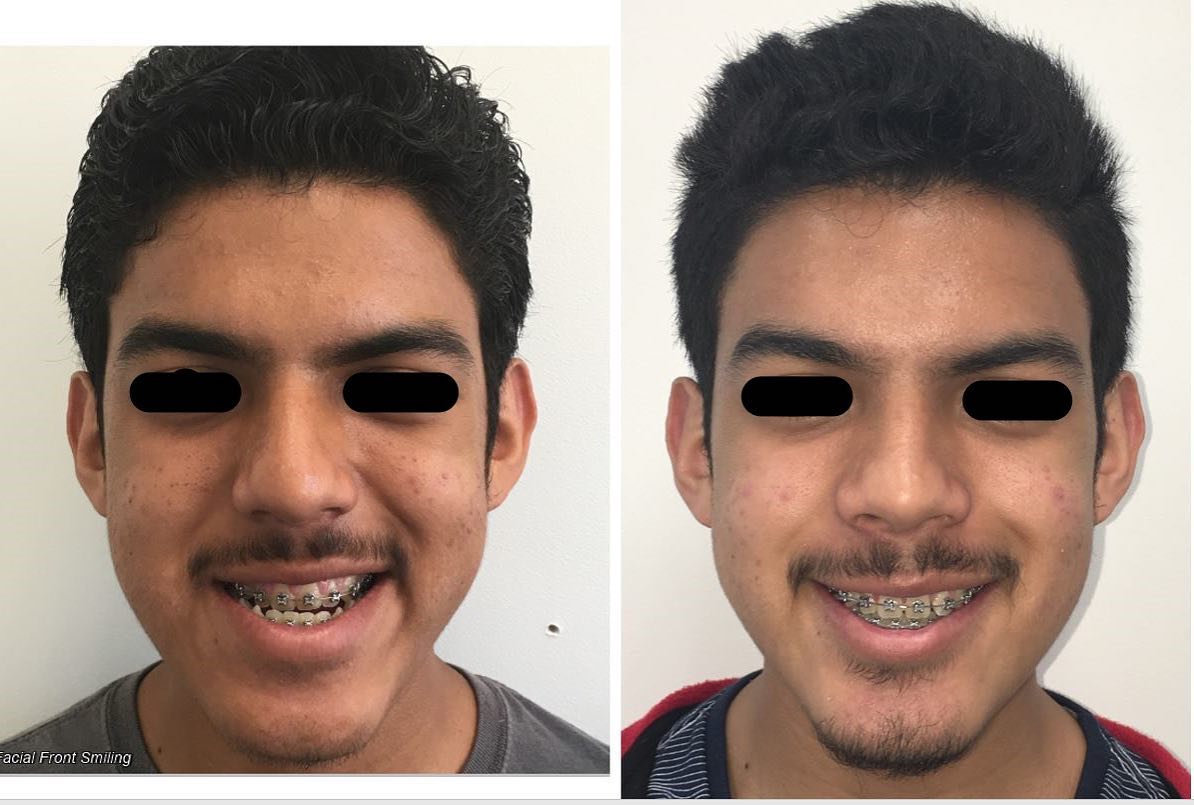
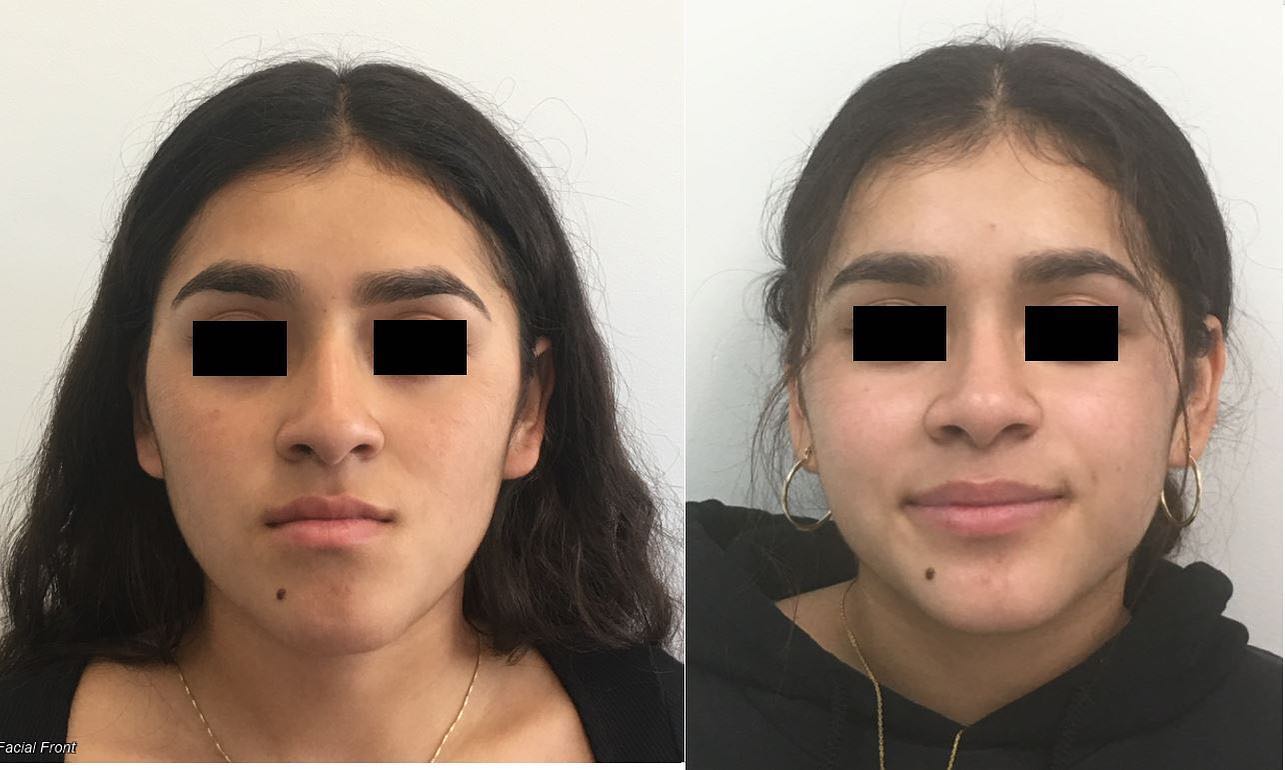
Real Patients. Real Results.

Explore examples of patients who have undergone treatment for TMJ and jaw-related conditions. Every patient’s diagnosis, treatment plan, and results are unique.

Meet Our Surgeons

Experience. Precision. Compassion You Can Trust.

Dr. Fariborz Farnad, DMD

Diplomate, ABOMS

Dr. Victoria Chen, DDS, MD

Board Eligible, Oral and Maxillofacial Surgery

Expert TMJ & Facial Care

Specialized experience in TMJ disorders, complex jaw conditions, facial anatomy, and reconstructive procedures.
Personalized Treatment Planning

Treatment plans tailored to your symptoms, joint condition, bite, jaw structure, and individual goals.
Advanced Technology

Modern imaging and diagnostic techniques support detailed evaluation and precise treatment planning.

Compassionate Experience

Thoughtful care and support throughout every stage of your treatment journey.
Ready to Explore Your Options?

A consultation is the first step toward understanding what may be possible for your face. Meet with our team to discuss your goals, review your anatomy and learn which treatment options may be appropriate for you.

Frequently Asked Questions

What is TMJ disorder?
TMJ disorder refers to conditions affecting the temporomandibular joints and the muscles and structures responsible for jaw movement. Symptoms may include jaw pain, clicking or popping, stiffness, headaches, and difficulty opening or moving the jaw.
Common symptoms may include pain around the jaw joint, clicking or popping sounds, limited jaw movement, facial discomfort, headaches, ear-area discomfort, or difficulty chewing. Symptoms can vary from person to person.
TMJ problems can have many contributing factors, including joint damage, arthritis, trauma, jaw structure, bite-related concerns, or other conditions affecting the joint and surrounding tissues. A thorough evaluation is important to identify the potential cause.
Many TMJ conditions can initially be managed with conservative treatment depending on the diagnosis. Treatment recommendations vary based on the condition of the joint, severity of symptoms, and individual patient needs.
Surgery may be considered when a specific structural problem within the joint is causing significant symptoms or when appropriate conservative treatments have not adequately addressed the condition. Your surgeon will evaluate your individual situation before recommending surgery.
TMJ reconstruction involves rebuilding or replacing damaged portions of the temporomandibular joint when the joint has been significantly compromised. The goal is to restore jaw movement and improve overall function.
TMJ reconstruction is intended to provide long-term improvement in jaw function, but individual outcomes can vary. Your surgeon will discuss the expected benefits, risks, recovery, and long-term considerations based on your specific condition.